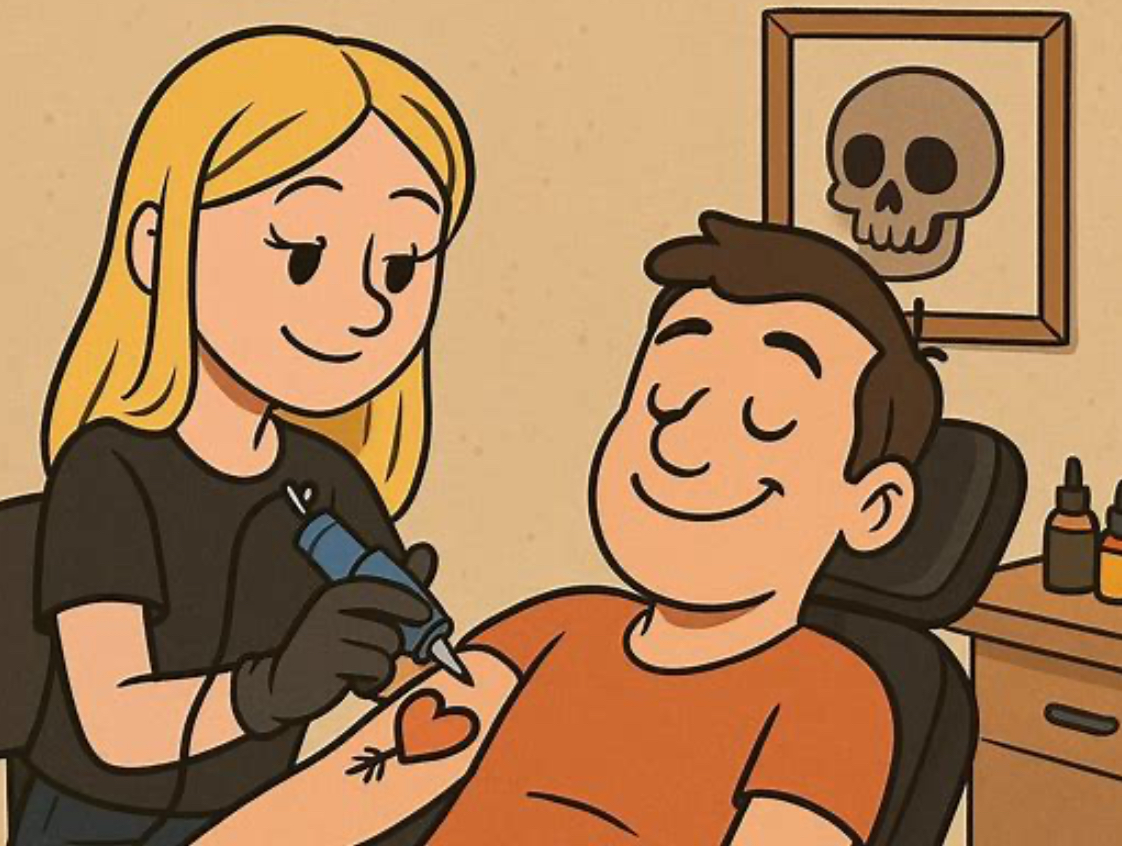
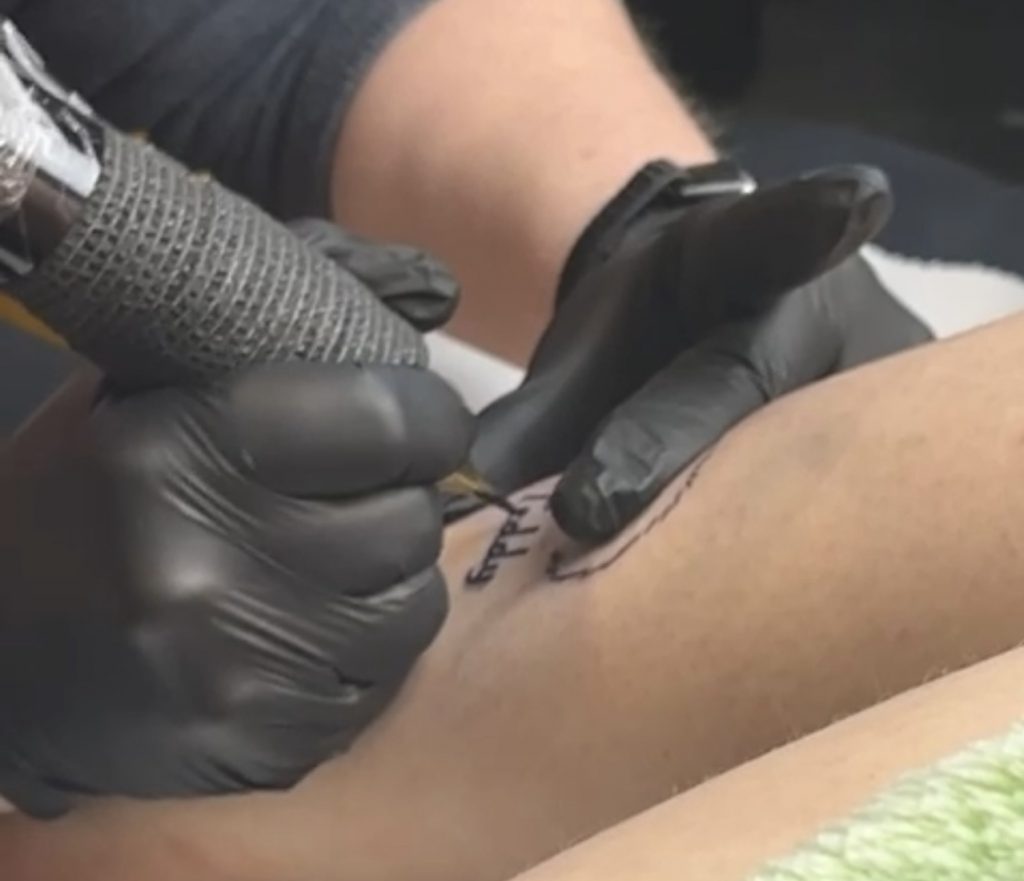
Tattoos are a timeless form of self-expression. For some, they mark important milestones; for others, they’re purely aesthetic. While tattoos are more accepted today than ever before, getting one is still a permanent decision. Before sitting down in the artist’s chair, it’s worth taking time to think through a few important factors.
1. The Meaning and Longevity of the Design:
Ask yourself, “Why do I want this tattoo?” Even if the design is purely decorative, make sure it’s something you can see yourself appreciating years down the line. Tastes change, but ink doesn’t fade easily. Take time to sketch, research, or collect reference images before committing.
2. Placement on the Body:
Where you place your tattoo matters for both visibility and comfort. Some areas are more painful (like ribs, feet, or inner arms), while others are easier to conceal for work or formal settings. Consider how your tattoo will look as your body changes over time, too.
3. Pain Tolerance and Healing Time:
Tattoos involve needles puncturing the skin repeatedly—so there will be pain. The intensity depends on the location and your individual tolerance. Healing takes 2–4 weeks, during which you’ll need to avoid sun exposure, swimming, and scratching. If you’re not ready for the aftercare process, you might want to wait.
4. Choosing the Right Artist and Studio:
Not all tattoo artists are equal. Research portfolios, read reviews, and visit studios in person. Look for cleanliness, proper sterilization, and a professional environment. An experienced artist will also help refine your idea to ensure it works well as a tattoo.
5. Cost and Quality:
Good tattoos aren’t cheap, and cheap tattoos aren’t always good. Pricing usually reflects the artist’s experience, the detail of the work, and the time required. Also think about location. Prices in expensive locations may be higher due to shop rents and other overheads, so make sure you see the artists work, including healed tattoos to be sure the extra price is about skill not paying the bills. Bottom line, if you’re tempted by a bargain without due diligence, remember that laser removal or cover-ups are far more expensive and painful than saving up for quality work in the first place.
6. Skin and Health Considerations:
If you have sensitive skin, allergies, or medical conditions like diabetes, check with a healthcare professional before getting inked. Some people may react to certain pigments. A reputable artist should ask about health history and provide guidance on safety.
7. Cultural and Professional Factors:
Some tattoos carry cultural meanings or taboos. Make sure your design doesn’t unintentionally appropriate or misrepresent symbols. Professionally, while tattoos are more accepted in many industries today, highly visible ones may still affect job prospects in certain fields.
8. Long-Term Commitment:
A tattoo is designed to last forever. While removal is possible, it’s costly, time-consuming, and not always perfect. Be absolutely certain about your decision before making it permanent.
Final Thoughts
A tattoo can be a powerful way to express who you are, but it deserves careful thought and planning. Take time to research, consult with artists, and reflect on your design and placement. If you approach it thoughtfully, your tattoo can be something you’ll proudly carry with you for a lifetime.